Seasonality is part of what makes sporting goods retail exciting. The shift from skis to swim, football to baseball, or camping to indoor fitness keeps stores dynamic and keeps customers coming back.
But behind the scenes, those same seasonal swings create a constant balancing act. The new product is arriving before last season is fully cleared, bulky equipment needs a dedicated space, and apparel adds another layer of complexity.
The good news? With the right storage strategy, these transitions don’t have to feel like a squeeze. In fact, they can become an opportunity to operate more efficiently, keep your floor looking sharp, and stay ready for whatever season comes next.
Sporting goods inventory isn’t like most retail categories, and that’s what makes it so rewarding to get right.
You’re managing:
Instead of forcing everything to fit into a static space, leading retailers are rethinking how their stockrooms work, making them more flexible, more dense, and easier to navigate.
Your back-of-house space has more potential than it might seem. With the right systems in place, it can flex with your inventory instead of fighting against it.
One of the most effective ways to support seasonal change is with mobile storage like Pipp Mobile High-Density Mobile Shelving.
Instead of fixed aisles that take up valuable space, mobile shelving systems move to create access only where it’s needed. That means you can:
For sporting goods stores, this is especially helpful during those in-between months when inventory overlap is at its peak.
To take it a step further, pairing high-density shelving with mobile merchandising carts adds a major seasonal advantage. With solutions like IRSG carts, teams can quickly swap out floor displays as seasons shift. Instead of rebuilding fixtures or disrupting the sales floor, staff can roll out new product assortments in minutes, keeping the store fresh, relevant, and aligned with changing demand.
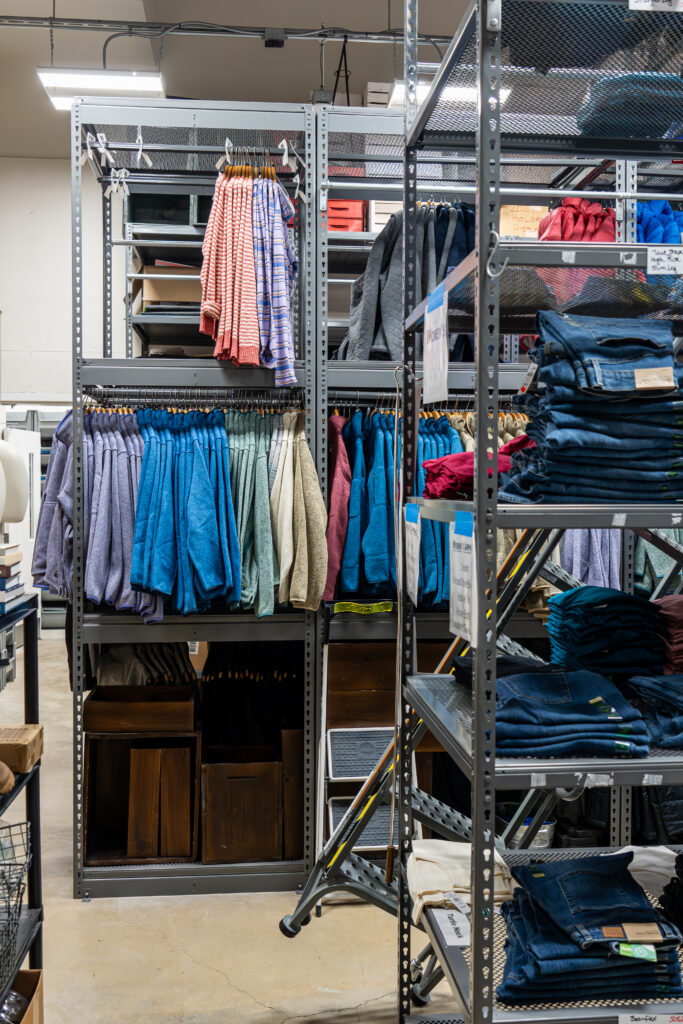
Most sporting goods stores are managing a mix of equipment and apparel, and both need to work together seamlessly.
Flexible hanging solutions like the hanger management help keep apparel organized, visible, and easy to replenish.
By integrating hanging storage alongside shelving, you can:
For heavier or oversized items, systems like Mobile Carriages provide the strength and flexibility needed to store everything from helmets to training gear.
Together, these solutions create a stockroom that supports your full product mix, without forcing tradeoffs.
When your stockroom is working efficiently, your sales floor benefits immediately.
By moving overstock into high-density systems:
You also gain flexibility to highlight seasonal categories as they arrive, whether that’s back-to-school sports, holiday fitness, or spring outdoor gear.
It’s not about carrying less inventory. It’s about storing it smarter so your floor can do what it does best: sell.
Imagine a store heading into fall:
With a flexible storage approach:
The result is a smoother transition where nothing feels rushed or overcrowded, and your team can stay focused on customers instead of space constraints.
Storage is one piece of the puzzle. Timing and organization also play a big role.
When your stockroom is set up to handle seasonal shifts, it becomes easier to:
That kind of flow helps reduce handling time, improve accuracy, and keep operations running smoothly, even during peak transitions.
Seasonal swings aren’t going away, but your ability to adapt to them can improve.
Retailers who invest in flexible storage solutions are better positioned to:
And perhaps most importantly, they create an environment where both staff and customers have a better experience.
They combine thoughtful inventory planning with flexible storage systems, like mobile shelving, to handle seasonal overlap without overcrowding.
Durable, adjustable shelving systems designed for heavier items, such as steel shelving, help keep equipment organized and protected.
By integrating hanging storage for apparel alongside shelving for hard goods, stores can support both categories without sacrificing space.
Mobile shelving increases storage capacity by reducing unused aisle space, making it ideal for managing seasonal inventory shifts.
Moving overstock into organized, high-density back-of-house storage allows your sales floor to stay clean, focused, and easy to shop.
Yes. Many retailers increase capacity significantly by reconfiguring their existing stockroom with mobile and modular storage solutions.
Seasonal inventory is part of what makes sporting goods retail so dynamic. With the right setup, it doesn’t have to be a challenge, it can be a strength.
By creating a stockroom that adapts to your needs, supports both apparel and equipment, and maximizes every square foot, you set your store up for smoother transitions and stronger performance year-round.
Because when your space works better, everything else does too. Contact us today to get started!