In large-scale fulfillment operations, warehouse space is no longer just square footage. It directly impacts throughput, labor efficiency, storage costs, and operational flexibility.
The challenge is that many warehouses are still leaving valuable storage capacity unused, especially beneath the first level of traditional pallet racking.
As fulfillment demands continue increasing, operators are looking for smarter ways to optimize their existing footprint without committing to expensive facility expansions or completely redesigning their rack infrastructure.
That’s where under-rack storage optimization and efficient transport systems are becoming increasingly valuable.
Most warehouses focus heavily on vertical pallet storage, but the space beneath the first beam level is often underutilized, inconsistent, or dedicated to inefficient staging practices.
In many facilities, this area becomes:
While traditional pallet racking is highly effective for bulk vertical storage, the lower rack zones are often an overlooked opportunity to improve organization and operational flow.
For fulfillment centers managing growing SKU counts and faster order requirements, recovering this space can create meaningful operational gains without replacing existing pallet rack systems.
Rather than completely overhauling warehouse infrastructure, many operators are now focusing on improving how space functions within their current pallet rack layouts.
Instead of adding more permanent aisles or expanding outward, operators can maximize the usable footprint already available beneath existing racking systems.
This approach allows fulfillment centers to improve operational efficiency while continuing to use standard pallet rack infrastructure already in place.
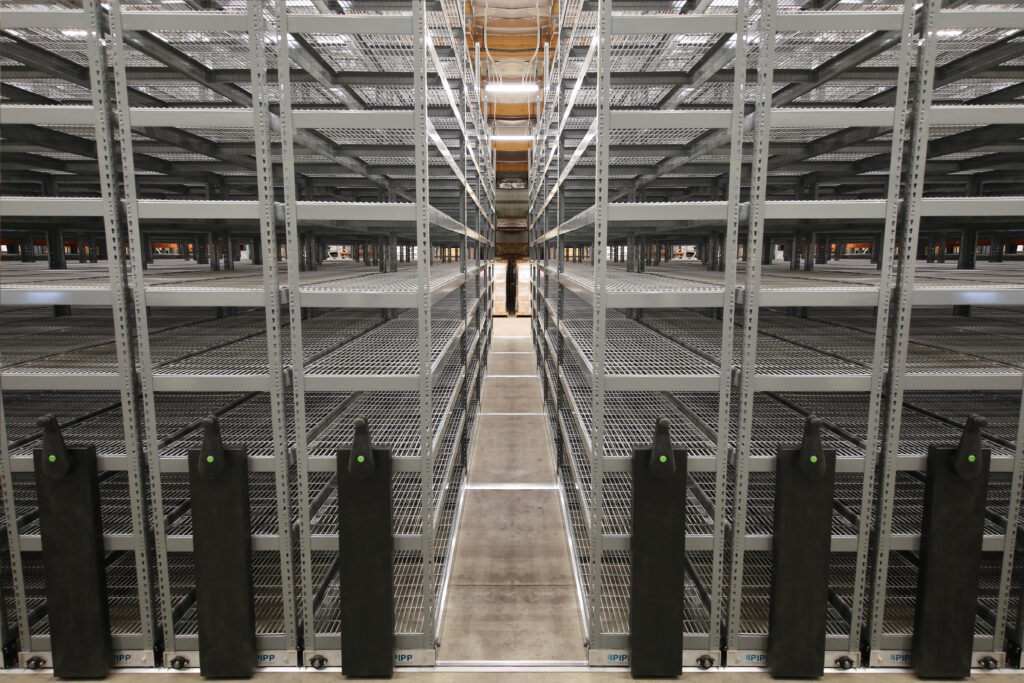
Warehouse operators and financial teams are both under pressure to maximize performance per square foot.
But expansion projects are expensive:
In many cases, improving the functionality of existing storage zones can provide a faster and more cost-effective operational improvement.
For example, optimizing under-rack storage areas can help:
These gains may seem incremental individually, but across large fulfillment environments, they can significantly improve day-to-day efficiency and overall storage ROI. The implementation of the under-rack system can scale up intentionally by upgrading a few racks at a time with a quick and easy installation.
Today’s fulfillment operations rarely stay static for long.
Seasonal inventory swings, changing product mixes, and evolving shipping demands require facilities to stay adaptable.
That’s why many warehouse teams are prioritizing modular, scalable storage strategies that work alongside existing pallet rack systems rather than replacing them entirely.
Under-rack optimization solutions provide greater flexibility by allowing facilities to:
For high-volume operations, these improvements can have a direct impact on labor efficiency and order throughput.
Storage optimization is only one piece of the equation.
Once products are picked or staged, they still need to move efficiently throughout the facility.
That’s where transport systems remain essential to warehouse performance.
Many fulfillment operations still deal with:
Integrated transport solutions like IRSG Transport Carts help streamline product movement throughout warehouse environments and improve operational flow.
Designed for high-volume fulfillment operations, transport carts can support:
For facilities managing constant inventory movement, transport efficiency can significantly impact overall throughput and labor performance.
One of the biggest pressures facing fulfillment centers today is balancing speed, storage demands, and rising facility costs.
Instead of immediately expanding outward, many operators are focusing on improving performance within their existing footprint.
By optimizing under-rack storage areas and improving transport workflows, fulfillment teams can:
The goal is not necessarily to build a larger warehouse. It’s to create a smarter one.
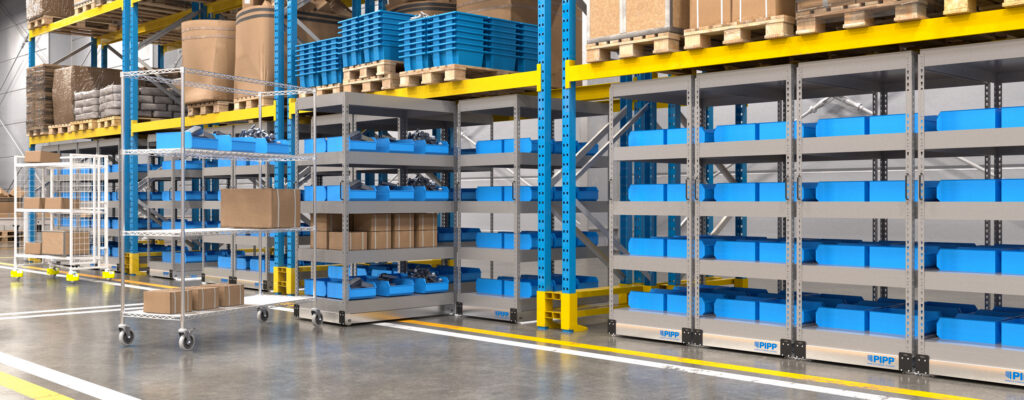
As fulfillment operations continue to change, facilities are rethinking how every part of the warehouse contributes to efficiency.
That includes the often-overlooked areas beneath traditional pallet racking.
By improving under-rack organization and streamlining transport workflows, fulfillment centers can recover usable space, improve operational flow, and support future growth without major infrastructure expansion.
Contact Pipp Mobile today to learn how smarter storage and transport solutions can help maximize your warehouse footprint.
Under-rack storage optimization focuses on improving the usable space beneath the first level of pallet racking to increase organization, accessibility, and storage efficiency.
This area is often underutilized or used inefficiently for temporary staging. Optimizing it can improve inventory flow and maximize usable warehouse space.
Yes. The under-rack storage solution is designed to integrate inside standard pallet rack widths without requiring a full warehouse redesign.
Transport carts help streamline inventory movement, reduce manual handling, improve staging workflows, and support faster product movement throughout the warehouse.
Not always. Many facilities can improve operational capacity by optimizing existing storage layouts and recovering underutilized space within the current footprint.
E-commerce warehouses, distribution centers, retail fulfillment operations, and high-volume logistics facilities can all benefit from improved under-rack organization and transport efficiency.