In retail, what happens behind the scenes is just as important as what customers see on the sales floor. A well-organized backroom keeps inventory flowing, supports faster restocking, and helps teams deliver a seamless shopping experience.
As product assortments grow and inventory demands shift, retail backrooms and stockrooms naturally become more complex. The opportunity isn’t about fixing a problem; it’s about creating a smarter, more efficient storage system that supports your store’s success.
Just as important, this transformation doesn’t require shutting down your store. Today’s storage solutions can be implemented in active retail environments, making it possible to upgrade your space while staying fully operational.
Retail backrooms often hold more potential than they appear to at first glance. With the right storage strategy, these spaces can support higher inventory levels while remaining organized and easy to navigate.
An optimized retail stockroom can help:
When your backroom works well, your entire store benefits.
Many retail backrooms rely on static shelving systems. While familiar, these setups can limit how efficiently space is used, especially as inventory fluctuates.
Modern retailers are adopting more flexible storage solutions designed to adapt to changing needs.
High-density mobile storage systems offer a smarter approach. By eliminating fixed aisles and allowing shelving to move, these systems create more usable space while keeping products easily accessible.
This allows retailers to store more inventory in the same footprint, without sacrificing organization or speed.
Retailers can significantly increase storage capacity within their existing backroom. This is especially valuable for stores with high SKU counts or frequent product turnover.
Clear, structured storage makes it easier to track products, manage stock levels, and reduce misplaced items.
When products are easy to find, associates can restock shelves more quickly, keeping the sales floor fully merchandised and customer-ready.
Retail environments change frequently. Organized backrooms make it easier to manage fixtures, displays, and seasonal inventory.
From holiday surges to promotional campaigns, adaptable storage systems help retailers adjust quickly to changing inventory demands.
Instead of being locked into one setup, storage can be configured to support:
Adjustable shelving and flexible hang bars allow teams to quickly switch configurations based on seasonal SKU requirements, making transitions faster and far less labor-intensive.
Every retail environment has unique needs, from apparel stores and big-box retailers to specialty shops and grocery stores.
Efficient storage for folded items, hanging garments, and backstock inventory helps maintain organization and protect product quality, but flexibility is where these systems really stand out.
Shelving can be designed to support folded, hanging, or hybrid setups, with adjustable hang bars that make it easy to shift between configurations. This allows retailers to adapt their storage layout as product mixes change throughout the year, without needing entirely new fixtures.
Structured shelving supports easy access to boxed items, electronics, and packaged goods.
Retailers often need space for mannequins, signage, and display materials. Organized storage ensures these items are easy to access when needed.
With the rise of buy-online-pickup-in-store (BOPIS) and ship-from-store models, backrooms must support fast and accurate order fulfillment.
Creating a more efficient retail stockroom starts with understanding how your team interacts with the space.
Every backroom has unique dimensions and workflows. A detailed evaluation helps identify ways to improve flow and maximize storage.
Storage works best when it reflects how products move, whether that’s fast-selling items that need quick access or bulk inventory stored for replenishment.
With advanced planning tools, storage systems can be designed to optimize space while supporting retail operations like restocking and merchandising.
With the right approach, upgrades can be implemented with minimal disruption—even in fully operational stores. Many systems can be installed in phases or overnight, allowing retailers to improve their space without interrupting daily operations.
An optimized backroom creates a strong foundation for efficiency. Maintaining that organization comes down to a few key practices:
These habits help ensure that your retail storage system continues to support your team over time.
Customers may never see your stockroom, but they feel its impact every time they shop.
When retail backrooms are optimized:
Efficient storage directly supports a better in-store experience.
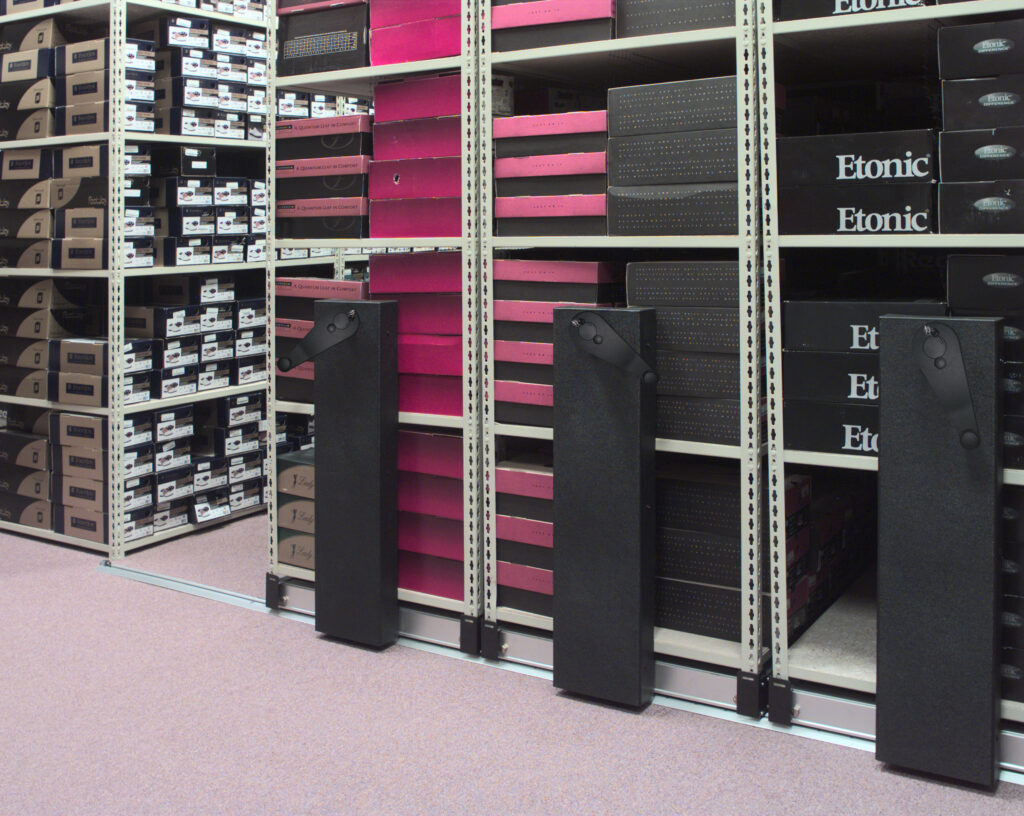
Transforming a retail backroom is about creating a space that works better for your team, supporting inventory management, store operations, and customer service.
And it’s not just for new builds or full renovations. Even existing, fully operational stores can upgrade their backroom quickly and efficiently with minimal disruption.
With the right storage systems in place, stockrooms can become more organized, more efficient, and better equipped to handle the demands of modern retail.
Solutions like those from Pipp Mobile are designed to help retailers maximize their space while supporting real-world workflows, making it easier to stay organized and responsive in a fast-paced environment.
How can I organize a retail backroom more efficiently?
Start by grouping products by category or SKU, labeling all storage areas clearly, and implementing a layout that supports easy access and restocking workflows.
What is the best storage solution for retail stockrooms?
Flexible, high-density storage systems are highly effective because they maximize space while maintaining accessibility and organization.
How can retailers increase backroom storage without expanding space?
By optimizing layout design and reducing unused aisle space, retailers can significantly increase storage capacity within their existing footprint.
Why is backroom organization important in retail?
An organized backroom improves inventory accuracy, speeds up restocking, and helps ensure the sales floor remains fully stocked.
How does storage impact retail operations?
Efficient storage supports faster workflows, better inventory management, and improved employee productivity.
Can storage systems adapt to seasonal retail changes?
Yes. Scalable storage solutions allow retailers to adjust to seasonal inventory increases, promotions, and changing product assortments.
What are common challenges in retail stockrooms?
Retailers often face limited space, high SKU counts, and frequent inventory changes—all of which can be addressed with better storage design.
How does backroom efficiency affect the customer experience?
When backrooms are organized, associates can restock faster and assist customers more effectively, leading to a better overall shopping experience.
Where should retailers start with improving their backroom?
A professional assessment of your current layout and inventory flow is the best first step toward creating a more efficient storage system.
Retail success depends on what happens behind the scenes just as much as what customers see on the floor.
By rethinking backroom storage and organization, retailers can create spaces that better support their teams, improve inventory flow, and enhance the overall shopping experience.
With a smarter approach to storage, your backroom becomes more than just a storage area, it becomes a key driver of operational efficiency and retail performance.